
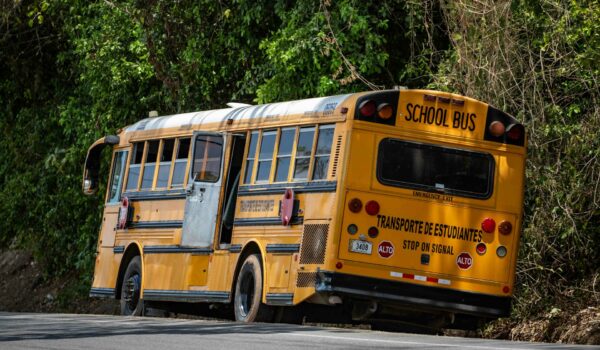
Crashes on the way to and from school can change a family’s life in a few painful seconds. Dark winter mornings, slick Colorado roads, and rushed drivers all add up to real danger for children who are walking, biking, or riding in cars or buses.
As a Denver-based personal injury firm, we see how hard these incidents hit parents. Kids are smaller, harder to see, and much more likely to suffer serious harm. When a child is hurt, families suddenly face medical questions, school issues, and insurance stress all at once. In this article, we guide you through safety tips, what to do right after a crash, how school and insurance systems fit together, and when a child injury attorney in Colorado can help protect your child’s future.
Why Crashes Near Schools Are so Dangerous for Children
The school commute looks simple, but a lot can go wrong in those short trips. Common crash situations around Colorado schools include:
• Drivers rolling through crosswalks while kids are walking
• Speeding in school zones when drivers are late for work
• Distracted drivers near bus stops or drop-off lanes
• Icy or slushy intersections where cars slide while trying to stop
Children’s bodies are still growing. Their bones are softer, their heads are larger compared to the rest of their bodies, and their neck muscles are not as strong as an adult’s. That means a collision at a speed that might bruise an adult can cause serious injuries for a child, such as:
• Head and brain injuries
• Broken arms and legs
• Back and neck injuries
• Internal injuries that do not show right away
Late winter and early spring often bring extra hazards. Snowbanks can hide small children from a driver’s view. The low sun can create sharp glare just as kids are crossing the street. Black ice can form in shaded areas, even when most of the road looks fine. Drivers who hurry to avoid tardy slips or traffic jams may not see a child until it is too late.
These crashes do not only involve kids on foot. A child might be:
• A pedestrian in a crosswalk or at a corner
• A bicyclist in a bike lane or on the shoulder
• A bus rider getting on or off a school bus
• A passenger in a parent’s car, carpool, or rideshare
Each of these situations can involve different at-fault parties, from individual drivers to companies or other organizations.
First Steps Parents Should Take After a School Route Crash
After a crash, the first goal is always your child’s safety and health. Even if your child says they are “okay,” it is important to:
• Call 911 so police and paramedics can come to the scene
• Follow paramedics’ advice about on-site care or going to the ER
• Watch for signs of shock, like quietness, confusion, or pale skin
Kids often downplay pain because they are scared or do not want to cause trouble. Some injuries, especially head or internal injuries, may not show clear symptoms right away. Getting medical care early can help protect their health and also creates records that link the injuries to the crash.
Once immediate medical needs are addressed, you can take a few organized steps to protect your child’s legal and educational needs.
If you are able, or if another trusted adult can help, try to document the scene:
• Take photos or video of the location, crosswalks, and any traffic signals
• Capture road and weather conditions, like snow, ice, or glare
• Photograph vehicle damage and any visible injuries
• Get names and contact information for drivers and witnesses
Next, tell the school and the district about the crash as soon as you can. School staff may have:
• Security or bus camera footage
• Bus driver or crossing guard reports
• Staff or other parents who saw what happened
From day one, keep a simple notebook or digital log. Write down:
• All medical visits, tests, and follow-ups
• Changes in sleep, mood, or behavior
• Complaints of headaches, pain, or trouble focusing
• Days of missed school and activities
These notes can later help show how the crash affected your child’s daily life.
Navigating Schools, Insurance, and Bills After a Child Injury
In the days after a crash, many parents feel pulled in different directions. Medical bills start to arrive. Insurance companies call. The school needs updates. It gets overwhelming fast.
To move through this more calmly, it often helps to think in three tracks: medical care, insurance, and school support.
On the insurance side, several different insurance policies may be involved, such as:
• The at-fault driver’s auto insurance
• Your family’s auto insurance
• Your health insurance
• Sometimes, insurance related to a school district or bus company
Insurance companies often try to protect their bottom line. They may:
• Ask you for a recorded statement
• Ask for broad access to medical records
• Offer a quick settlement before doctors know the full injury picture
These steps can affect your child’s legal rights in ways that are not obvious at first. It is usually safer to speak with a child injury attorney in Colorado before giving detailed statements or signing anything, so you understand how each choice could affect your child’s future care and support.
You may also need to work closely with the school. Depending on your child’s injuries, they might need:
• Extra time to complete assignments
• Changes to their schedule for medical appointments
• Help with walking between classes or carrying a backpack
• Quiet space or breaks if they have headaches or trouble focusing
Some children may qualify for a 504 plan or other accommodations (a written plan that provides support and adjustments at school). Having clear medical records and good communication with the school can help support these requests. A lawyer can help organize records, talk with insurers, and explain options step by step so you are not pressured into agreements that could limit your child’s future support.
How a Colorado Child Injury Attorney Supports Your Family
Parents are not expected to know every legal rule or deadline. A child injury attorney in Colorado can guide your family one step at a time while you focus on your child’s healing.
A lawyer can investigate the crash by:
• Reviewing police and accident reports
• Looking at road, traffic, and weather conditions
• Working to secure any school or bus camera footage
• Interviewing witnesses
• Consulting with medical professionals
A thoughtful attorney will also look past the first wave of medical bills. Serious child injuries can lead to:
• Ongoing physical therapy or rehab
• Counseling for anxiety, fear of riding in cars, or post-traumatic stress-type symptoms (such as nightmares or fear about travel)
• Educational support if concentration, memory, or energy are affected
• Changes in activities, sports, and social life
At CO Trial Lawyers, we focus our work on serious injury and child injury cases across Colorado. We know families need clear answers in plain language. Our role is to stand up to insurers and other responsible parties, explain options in an understandable way, and work to secure support that takes both today’s needs and tomorrow’s challenges into account.
Safety Habits That Reduce Risk on Colorado School Routes
While no set of tips can prevent every crash, a few daily habits can lower risk for kids of all ages.
For younger children, practice:
• Walking on sidewalks, not in the street
• Crossing only at corners or marked crosswalks
• Stopping at the curb, looking left-right-left, and listening for cars
• Making eye contact with drivers before crossing
For older kids and teens:
• Put phones away when walking or biking near traffic
• Use headphones only in one ear, or not at all, near busy streets
• Wear bright or reflective clothing, especially on dark mornings
• Obey school staff who direct drop-off and pick-up traffic
During winter and early spring, remind kids and teen drivers to:
• Allow extra time on icy or snowy days
• Watch for ice near gutters, shade, and intersections
• Slow down in school zones even if the road looks clear
• Be cautious around parked cars and snow piles where kids may step out suddenly
Even when families follow every safety rule, other drivers may still act carelessly. When that happens and a child is hurt, legal support can be an important part of protecting their health, education, and future.
FAQs About School Route Crashes in Colorado
What Should I do If My Child Seems Fine After a Crash?
Even if your child says they feel okay, it is important to have them checked by a medical professional. Some injuries, especially to the head, neck, or internal organs, may not show symptoms right away. Early care also helps create clear records that connect the injury to the crash.
Do I Need a Lawyer If the Insurance Company Already Contacted me?
You are not required to hire a lawyer, but speaking with a child injury attorney before giving a recorded statement or signing forms can help you understand your options. Insurance companies may push for quick settlements that do not cover long-term medical, educational, or emotional needs.
Can the School Be Responsible for My Child’s Injuries?
In some situations, a school district, bus company, or other organization may share responsibility, such as when a crash involves a school bus or happens in an area supervised by school staff. A lawyer can review the facts, look at reports and policies, and explain whether any school-related parties may be involved.
How Will My Child’s Injuries Affect Their Schooling?
Some children need extra time on assignments, rest breaks, help carrying materials, or schedule changes for medical visits. In some cases, a 504 plan or similar accommodations can be put in place to support your child’s learning while they recover.
How Long do I Have to Take Legal Action After My Child Is Hurt?
Deadlines, called statutes of limitations, can be different for children and may depend on who is involved (for example, a private driver versus a government entity). Because these timelines can be complex, it is wise to speak with a Colorado child injury attorney as soon as you can so important deadlines are not missed.
Take Confident Steps to Protect Your Child’s Future
After a crash on the way to or from school, many parents feel scared, angry, or guilty. Those feelings are normal. What matters most is taking calm, steady steps so your child gets the care and support they need.
Children deserve to feel safe going to school. With careful medical follow-up, open communication with teachers and schools, and guidance from a dedicated child injury attorney in Colorado, families can move from crisis toward stability.
Protect Your Child’s Future With Experienced Legal Help
If your child has been hurt because someone was careless, our team at CO Trial Lawyers is ready to step in and fight for the full compensation your family deserves. An experienced child injury attorney in Colorado can help you understand your options, deal with insurance companies, and build a strong case while you focus on your child’s recovery. We take the time to listen, explain each step, and pursue justice with compassion and determination. If you are ready to talk about what happened and what comes next, contact us today.