
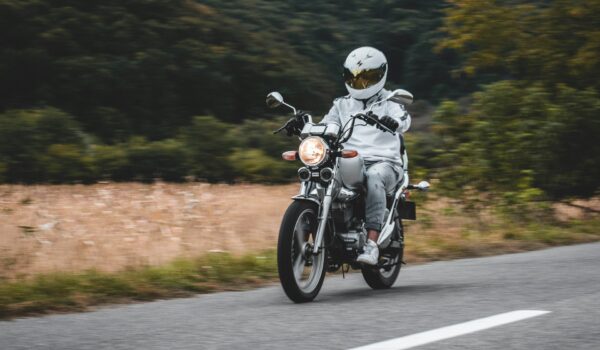
Early spring around Denver can tempt any rider. The snow pulls back from the shoulders of I-25 and C-470, the air softens, and those first dry days call your bike out of storage. It feels like freedom after months of ice and slush. But early spring brings their own set of risks that can catch even experienced riders off guard.
Roads are still recovering from winter; the weather changes fast, and drivers are not yet used to looking for motorcycles. In this guide, we walk through the specific hazards that show up around this time of year, how you can lower your risk, and what steps to take if a crash happens. We also explain how a motorcycle accident lawyer in Denver can help protect your rights after a serious collision.
Hidden Road Hazards After a Colorado Winter
Winter work on Colorado roads leaves more behind than plowed snow. As the snow melts, the leftover materials and damage become a serious problem for motorcycles.
Leftover sand, gravel, and deicer often gather at:
• Intersections and stop signs
• Tight corners and highway ramps
• Shoulders and the center of lanes
Loose sand or gravel cuts your traction, especially while braking or leaning into a turn. A small patch can be all it takes for the front tire to wash out, causing a lowside, or for the rear tire to suddenly grab and throw you off in a highside.
You can reduce the risk by:
• Scanning ahead for darker or lighter patches that look different from clean asphalt
• Slowing down before you lean into a corner
• Choosing a smoother line through turns, away from the edges where grit collects
• Avoiding hard braking or sharp steering inputs on any surface that feels loose
Freeze and thaw cycles around Denver also break up the pavement. Potholes, cracks, and raised or sunken sections may be annoying in a car, but on a bike they can cause a sudden loss of control. Trouble spots often include:
• Older residential and city streets
• Bridges, overpasses, and spots where different surfaces meet
• Areas with ongoing or recent construction
It helps to ride with extra following distance so you can see the road surface in front of you. Do not trust standing water; it can hide deep holes. When you know you are crossing rough pavement, standing slightly on the pegs and keeping your arms relaxed can help your suspension work and keep the bike stable.
Early spring is also when many construction and road work projects restart. Cones, shifting lanes, steel plates, and fresh cuts in the pavement all show up at once. Rough transitions, raised manhole covers, and sudden lane drops are hard enough for drivers, and they are much tougher on motorcycles. Slow down in work zones, expect uneven lanes, and ride as if no one sees you when lanes merge or narrow.
Unpredictable Front Range Weather and Visibility
The Front Range is known for quick weather swings. A ride that starts under blue skies near Denver can bring sleet or heavy snow a short time later, especially in late winter and early spring. When the air temperature hovers near freezing, the risk of black ice rises on:
• Bridges and overpasses
• Shaded canyon roads
• Low spots where water collects
Check hourly forecasts before you head out, not just the daily high. Plan shorter routes with clear places where you are willing to turn back if the sky changes or the wind picks up. Giving yourself permission to end a ride early is part of staying safe.
Sunlight is another early spring problem. Bright sun bouncing off melting snow piles, wet pavement, or glass buildings can blind both you and other drivers. Low sun angles during the morning and late afternoon can hide your bike in glare or deep shadows.
A few small habits can help:
• Keep your visor and glasses clean, inside and out
• Carry a tinted or photochromic shield or simple sunglasses
• Leave more space when you notice drivers facing into the sun
• Avoid sitting in lane positions where drivers might be staring right into glare
Spring moisture also brings sudden fog banks and fast-moving snow or rain showers along the foothills and open plains. When visibility drops, drivers have a much harder time judging a motorcycle’s distance and speed.
If you know you might run into reduced visibility, consider:
• Wearing high-visibility gear or adding bright colors to your helmet or jacket
• Using auxiliary or running lights if your bike has them
• Adding reflective tape or panels to your gear and bike
• Immediately adjusting your speed and space cushion to match what you can actually see
Drivers Not Ready for Motorcycles After Winter
Many drivers spend months seeing almost no motorcycles. When spring riding picks up, their brains are simply not tuned to notice smaller vehicles. This “out of sight, out of mind” problem shows up in some classic crash patterns:
• Left-turn collisions at intersections
• Sudden lane changes on I-25, I-70, and C-470
• Rear-end crashes in stop-and-go city traffic
Even with the right of way, riders are safer if they assume they are not being seen. Around Denver, certain areas tend to bring more risk, such as:
• Downtown one-way grids with frequent turns and lane changes
• Busy corridors like Colfax Avenue and Colorado Boulevard
• On-ramps where drivers are rushing to merge or exit
• Weekend traffic heading toward the mountains on routes like US-6, US-285, and I-70
In these areas, it helps to avoid lingering in blind spots, use lane positions that keep you visible in side and rearview mirrors, and be extra cautious at every intersection, even when your light is green.
When drivers are careless, that carelessness can become legal liability. Drivers have a duty to pay attention, look for motorcycles, yield when required, signal lane changes, and avoid driving while distracted or impaired. Common negligent actions that often lead to early spring crashes include texting, speeding, tailgating, and driving with frosted or snow-covered windows that limit their view.
A motorcycle accident lawyer in Denver can examine whether a driver failed in these duties, gather phone records, scene photos, and witness statements, and work with experts to understand what happened and why.
Preparing Your Bike and Gear for Early Spring Roads
Before that first ride, it is smart to give your motorcycle a careful postwinter check. At a minimum, look at:
• Tire tread depth and sidewall condition
• Tire pressure, cold weather often drops it
• Brake pads, rotors, and brake fluid level
• All lights and turn signals
• Chain or belt, throttle, clutch, and other controls
Cold temperatures can make tires stiff and reduce grip until they warm up. Take the first miles of your ride gently so the rubber has time to reach a better operating temperature. If your bike has sat unused for months, it can be worth having a professional review fuel, battery, and safety systems.
Gear matters just as much as maintenance. Early spring rides often start cool, warm up, then turn chilly again when the sun dips or a cloud rolls in. Layering is your friend. A good setup might include:
• A moisture-wicking base layer to keep sweat off your skin
• An insulating mid-layer like a light fleece
• A windproof and waterproof outer jacket and pants
• Warm, waterproof gloves and boots
Cold hands and feet reduce reaction time and make it harder to operate controls. Keeping your core warm also helps you stay mentally sharp. Tucking a compact rain shell or extra layer into a tail bag or backpack gives you options if weather shifts.
After a winter break, your skills may be rusty. Building a defensive riding mindset for spring can include:
• Practicing low-speed turns, quick stops, and swerves in an empty parking lot
• Scanning far ahead and side to side for hazards and escape routes
• Regularly checking mirrors and keeping space around you in traffic
Preparation cannot erase every danger, but it can prevent many early spring crashes or reduce how serious they are.
Protect Your Rights After a Spring Motorcycle Crash
If a crash happens, what you do in the next minutes and days can affect both your health and any future claim. As long as you are safe and able, try to:
• Move yourself and your bike out of live traffic if possible
• Call 911 so law enforcement and medical help arrive
• Get checked by medical professionals, even if you think you are fine
• Take photos and videos of vehicles, road hazards, skid marks, and visible injuries
• Exchange information with the other driver and get contact details for any witnesses
Avoid saying that you are “okay” or “fine,” and do not accept blame at the scene. Many injuries are not obvious right away, and the full picture of what happened is not always clear in the moment.
Motorcycle crashes often bring serious injuries, long recovery times, and significant financial strain from medical bills, lost income, and damage to your bike. Insurance companies may try to lean on stereotypes about riders, argue that you were at fault, or push for a quick, low settlement before you know the full impact of your injuries.
An experienced motorcycle accident lawyer in Denver can address these tactics, help you understand your options, and work to recover compensation for medical care, lost wages, pain and suffering, and future needs. At CO Trial Lawyers, we focus on serious injury and wrongful death cases across Colorado, and we are familiar with the roads and conditions motorcyclists face around Denver.
Get Experienced Legal Help After Your Denver Motorcycle Crash
If you were injured in a motorcycle collision, you should not have to navigate insurers and mounting bills on your own. At CO Trial Lawyers, we carefully investigate your crash, protect your rights, and pursue the full compensation you may be entitled to. Whether you are ready to speak with a dedicated motorcycle accident lawyer in Denver or simply have questions about your options, we are here to listen. For a free consultation, contact us today.